Neighborhoods · Kon Tum
Where to stay in Kon Tum: neighborhood guide
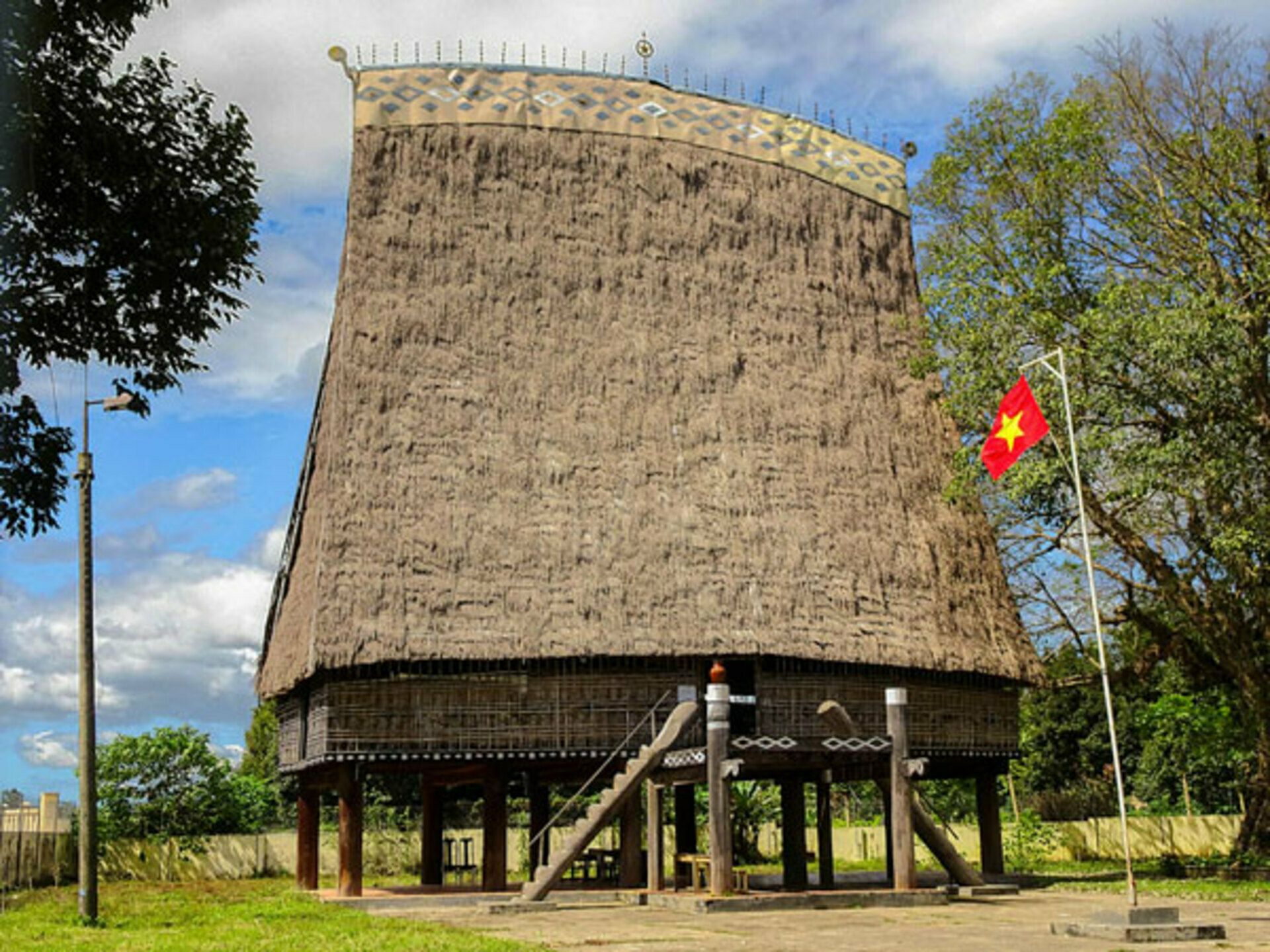
Kon Tum is a small provincial capital in Vietnam's Central Highlands with a population of approximately 701,817, serving primarily as a cultural and trekking hub rather than a conventional tourism destination. Unlike larger Vietnamese cities, Kon Tum lacks distinct cosmopolitan neighborhoods; instead, the area divides between the compact city center and surrounding rural districts characterized by ethnic minority communities and mountainous terrain. Accommodation and exploration strategies here differ markedly from Hanoi or Ho Chi Minh City—most visitors base themselves in the central town and take day trips to viewpoints like Chiến Thắng Đắc Tô - Tân Cảnh, or venture into villages to experience highland culture and hiking. This guide maps the key areas where travelers stay and what each offers, with practical notes on proximity to landmarks and suitability by travel style.
Kon Tum City Center
The central district forms the functional core of Kon Tum, housing most guesthouses, restaurants, and administrative facilities. This compact area sits at moderate elevation in the highlands and serves as the primary base for visitors. Streets are walkable, and essential services—markets, small shops, local eateries—cluster within a 1–2 km radius. The city center suits budget and mid-range travelers, families seeking convenience, and those interested in local culture without extended hiking. Proximity to Chiến Thắng Đắc Tô - Tân Cảnh viewpoint (roughly 40–50 km away) makes this a practical departure point for day excursions. Trade-offs include limited nightlife, modest international dining options, and the need for arranged transport to reach mountain and ethnic village sites. The center reflects authentic provincial Vietnam rather than curated tourism infrastructure.
- Primary function
- Administrative center, accommodation hub, local markets
- Travel style fit
- Budget, families, culture-focused travelers
- Proximity to Chiến Thắng Đắc Tô - Tân Cảnh
- ~40–50 km (day-trip via arranged vehicle)
Outlying Rural Districts
Districts surrounding Kon Tum city—including areas toward the viewpoint and further into mountainous terrain—are predominantly agricultural and rural, home to ethnic minority communities (Bahnar, Jarai, and other highland groups). These zones offer homestays and village-based accommodation for travelers pursuing cultural immersion and trekking. Settling in rural districts means engaging directly with ethnic minority daily life, attending local markets, and accessing hiking trails through forested highlands. This terrain suits adventurous budget travelers, cultural researchers, families with hiking experience, and remote-focused visitors. Essential trade-offs: minimal English, limited medical facilities, challenging road conditions, and reliance on guides or pre-arranged transport. Proximity to Chiến Thắng Đắc Tô - Tân Cảnh varies by district; western and northern rural areas sit closer to the viewpoint. Internet and mobile signal may be unreliable.
- Primary function
- Ethnic minority villages, agricultural land, trekking base
- Travel style fit
- Cultural immersion, adventure hiking, remote travel
- Accommodation type
- Homestays, basic guesthouses, community-run lodges
- Language/services
- Limited English; guides strongly recommended
Mountain and Highland Gateways
Specific locales on the approach to or surrounding Chiến Thắng Đắc Tô - Tân Cảnh and other highland viewpoints function as informal trekking and nature-based hubs. These areas feature limited but growing eco-lodge and homestay offerings, catering to hikers and wildlife enthusiasts. The terrain is steeper, vegetation denser, and infrastructure sparser than the city center. This zone suits active, self-reliant travelers, families with strong hiking capabilities, and those prioritizing landscape and biodiversity over comfort. Viewpoint access from these bases typically requires 1–3 hours' travel via motorbike or 4x4, depending on season and road conditions. Trade-offs are significant: accommodation is basic to very basic, electricity and water may be inconsistent, and mobile coverage unreliable. Roads are often unpaved and impassable during heavy rain. Pre-booking through trekking guides or tour operators is advisable.
- Primary function
- Trekking base, viewpoint access, nature lodges
- Terrain
- Steep, forested, elevation 600–1200+ meters
- Travel style fit
- Adventure hikers, nature photographers, remote explorers
- Road conditions
- Unpaved, seasonal; motorbike/4x4 essential
Proximity and Transport Considerations
Kon Tum's small size means most neighborhoods are within 10–50 km of the city center, but distance is less relevant than terrain and road quality. The Chiến Thắng Đắc Tô - Tân Cảnh viewpoint, the primary named landmark, anchors many day-trip itineraries but typically requires hired motorbike, taxi, or tour-operator transport from any residential base. Public buses operate sporadically between Kon Tum and regional towns; within the province, arrange transport via guesthouses or local contacts. Seasonal rainfall (May–October) can make rural and highland roads impassable, restricting neighborhood accessibility. For travelers without motorbike experience, staying in the city center and booking organized excursions minimizes logistical friction. Those with experience or group budgets can lodge in rural or mountain areas for deeper cultural or trekking engagement.
- Peak monsoon season
- May–October (highland road access limited)
- Primary transport mode
- Motorbike, 4x4, arranged via guesthouses/guides
- Typical day-trip range
- 10–50 km from city center
Frequently asked
- What is the best neighborhood in Kon Tum for first-time visitors?
- Kon Tum City Center suits first-time visitors best. It offers convenient guesthouses, local restaurants, walkable streets, and serves as the departure point for viewpoint and village day trips. English-speaking staff and basic services are most available here. Rural and mountain neighborhoods require more planning, local guides, and comfort with basic facilities.
- Where should families with children stay in Kon Tum?
- Kon Tum City Center is the safest choice for families. It provides reliable accommodation, access to schools and medical facilities, and walkable amenities. Families can take organized day trips from the city to villages or viewpoints with guides. Rural homestay experiences suit adventurous families with older children and hiking experience; these require flexibility with basic plumbing and no consistent electricity.
- Which neighborhood offers the most authentic cultural experience?
- Outlying rural districts and homestays in ethnic minority villages provide the deepest cultural immersion. You will live alongside Bahnar, Jarai, and other highland communities, participate in daily activities, and eat local food. This requires patience, some discomfort with basic facilities, and pre-arranged guide or tour-operator connections. The city center offers cultural interaction but less intimate than rural bases.
- Can I visit Chiến Thắng Đắc Tô - Tân Cảnh viewpoint as a day trip?
- Yes, this is standard practice. From Kon Tum City Center, hire a motorbike, taxi, or join a tour (approximately 40–50 km). The journey takes 1–2 hours depending on road conditions. Arrange transport through your guesthouse or a local guide. Rural or mountain bases may be closer but still require arranged transport. Road conditions deteriorate during monsoon (May–October).
- What is the difference between staying in the city and rural homestays?
- City Center offers reliable electricity, running water, internet, restaurants, and English speakers—prioritizing convenience. Homestays in rural and mountain areas offer cultural immersion, trekking access, and authentic highland life but feature basic or no plumbing, inconsistent electricity, no wifi, and minimal English. Choose based on comfort needs and travel goals.
- Is it safe to stay in remote mountain and rural neighborhoods?
- Yes, ethnic minority areas and mountain zones are generally safe for tourists. Crime against visitors is rare. However, roads are rough, medical facilities distant, and weather can isolate areas. Self-reliant, experienced travelers do well here. First-time or unprepared visitors may find the lack of services and communication challenging. Traveling with a guide is strongly recommended.
Quick facts
- Kon Tum province has a population of approximately 701,817 and serves as a highland cultural and trekking center in Vietnam's Central Highlands.
- Chiến Thắng Đắc Tô - Tân Cảnh viewpoint is located roughly 40–50 km from Kon Tum City Center, typically reached via day-trip excursion.
- Ethnic minority communities including Bahnar and Jarai inhabit rural districts surrounding Kon Tum, making homestays a primary form of cultural accommodation.
- Kon Tum City Center is a compact, walkable hub housing most guesthouses, markets, and services within a 1–2 kilometer radius.
- Mountain and rural roads in Kon Tum Province become seasonal and impassable during heavy monsoon rains (May–October), limiting neighborhood accessibility.
- Motorbike, hired taxi, or organized tour transport is essential for reaching Chiến Thắng Đắc Tô - Tân Cảnh and outlying ethnic villages from any residential base.
- Rural homestays typically offer basic facilities with inconsistent electricity and water, requiring advance arrangement through guides or tour operators.
- Kon Tum lacks distinct cosmopolitan neighborhoods; geography divides between urban center and rural/mountainous zones suited to different travel styles.