Safety · Jimbaran
Safety in Jimbaran: what travelers need to know
Jimbaran is a small coastal village in southern Bali with a population of approximately 1,785 residents, making it one of Bali's quieter beach destinations. Overall, Jimbaran is considered relatively safe for travelers, particularly compared to more densely populated tourist areas on the island. However, like all travel destinations, visitors should exercise standard precautions regarding petty theft, remain vigilant in crowded settings, and follow local health guidance. This guide covers the key safety considerations specific to Jimbaran, including crime patterns, transport safety, food and water standards, and practical emergency information to help you travel confidently in this beach community.
Petty crime and theft
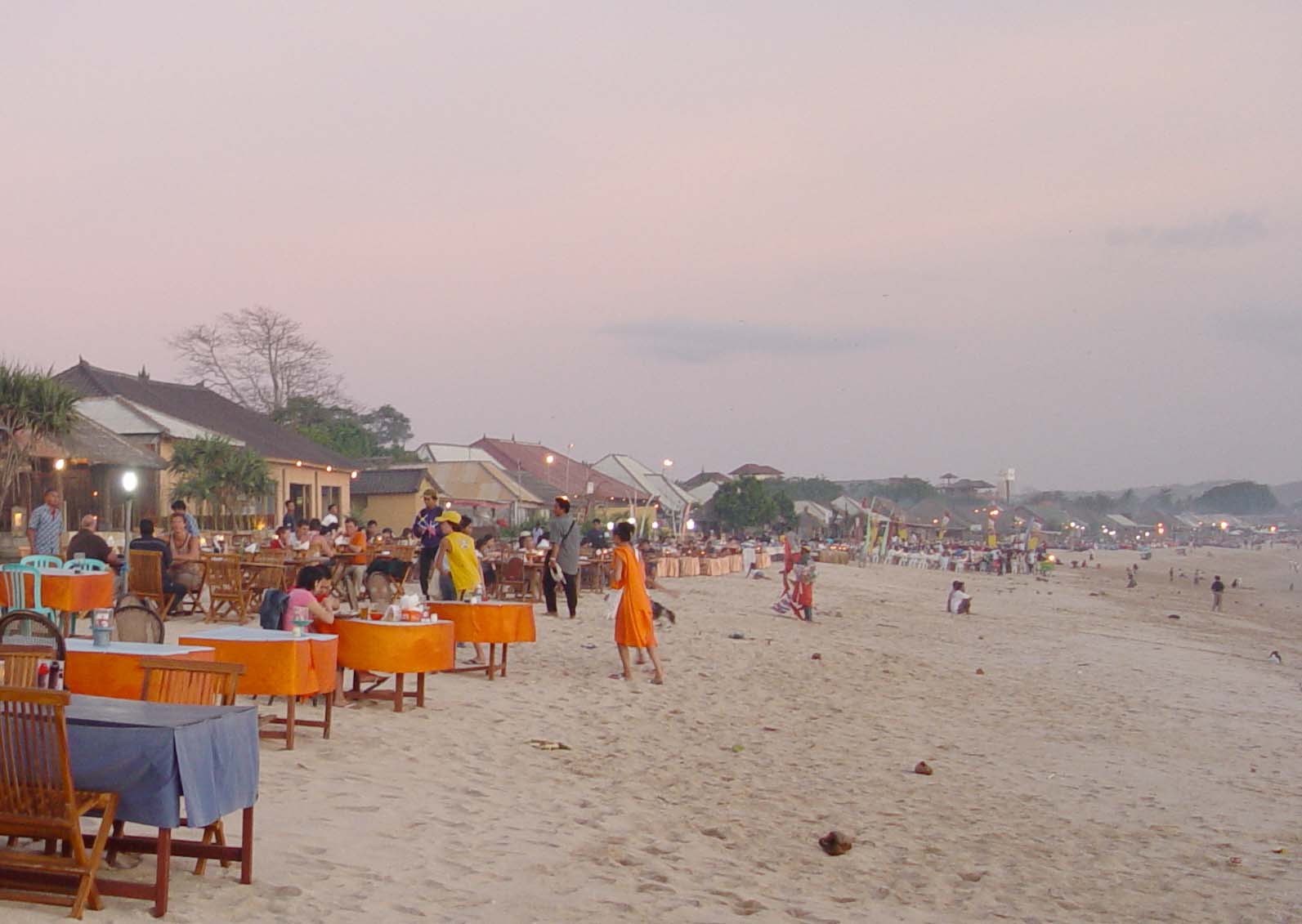
Petty theft remains the most commonly reported crime concern for travelers in Jimbaran and the wider Bali region. Bag snatching, pickpocketing, and theft from hotel rooms or rental properties do occur, particularly in busier beach areas and markets. The risk is generally considered low to moderate, concentrated in peak tourist seasons. Valuables left unattended on beaches are at elevated risk. Travelers should avoid displaying expensive jewelry, cameras, or large cash amounts in public spaces. Use hotel safes for passports, additional cash, and important documents. When dining at beachfront restaurants—a popular activity in Jimbaran—keep bags secured and remain aware of your surroundings, especially during evening hours when visibility is reduced.
- Primary theft risk
- Petty theft and bag snatching in tourist areas
- Highest-risk setting
- Crowded beaches and night markets
- Recommended precaution
- Use hotel safes for valuables and documents
Scams targeting travelers
Common scams in Jimbaran include inflated pricing at casual beachfront establishments, meter tampering in unofficial taxis, and overcharging for services or goods by vendors unfamiliar to tourists. Rental scams involving motorcycles or vehicles also occur; ensure rental agreements clearly specify damage liability and fuel conditions before signing. Money-changing services offered by unofficial dealers may provide poor exchange rates or counterfeit notes. Use only licensed money changers or ATMs affiliated with recognized banks. Friendly strangers offering unsolicited tours or services may lead to unexpected costs. When negotiating prices with vendors or guides, clarify terms in writing or use established tour operators with verifiable reviews.
- Meter tampering risk
- Unofficial taxis and ride-hailing services
- Rental fraud scenario
- Unclear damage liability in vehicle rentals
- Safe money exchange
- Licensed changers and bank-affiliated ATMs
Transport safety
Road conditions in Jimbaran and the surrounding region are generally adequate, though traffic rules are inconsistently enforced. Motorcycles and scooters are ubiquitous but involve higher accident risk than enclosed vehicles; helmets are legally required and should always be worn. If renting a motorcycle, ensure you have valid international driving documentation and comprehensive insurance. Driving after dark carries increased risk due to poorly lit roads and reduced visibility. Official taxis with meters, ride-hailing apps (Grab, Gojek), or pre-arranged hotel transport are safer than hailing unmarked cabs on the street. Long-distance travel by bus is generally safe on major routes, though seat belts are not always available or used. Exercise caution with informal transport services, and prioritize established operators with good safety records.
- Safest transport option
- Ride-hailing apps and hotel-arranged transport
- Legal requirement
- Helmets mandatory for motorcycle use
- Risk factor
- Driving after dark on poorly lit roads
Food, water, and health safety
Jimbaran's food culture centers on fresh seafood prepared in beachfront restaurants and casual warungs (local eateries). Tap water is not reliably safe for drinking; use bottled water for consumption and tooth-brushing. Reputable restaurants serving tourists generally maintain adequate hygiene standards, but street food and smaller establishments carry higher risk of foodborne illness if not freshly prepared. Cook temperatures and ingredient freshness vary by vendor. Seafood from established beach restaurants is typically safer than items from informal street stalls. Ensure ice is made from purified water. Traveler's diarrhea, common in Southeast Asia, is usually mild and self-limiting. Carry basic remedies (oral rehydration salts, anti-diarrheal medication) in your travel kit. Malaria is not prevalent in Jimbaran's coastal area, but dengue fever and minor tropical illnesses are possible year-round. Mosquito protection (repellent, long sleeves at dawn/dusk) is advisable.
- Drinking water safety
- Bottled water recommended for all consumption
- Highest-risk food source
- Informal street stalls with unclear ingredient freshness
- Disease risk level
- Low malaria; dengue fever possible year-round
Emergency contacts and resources
Indonesia's national emergency number is 112 for police, ambulance, and fire services, though response times in Jimbaran may vary due to the village's small size and remote coastal location. Major hospitals serving Jimbaran and the wider Bali region include Sanglah General Hospital in Denpasar, approximately 30 km away, and several private clinics in nearby Kuta and Seminyak offering English-speaking staff. For serious medical emergencies, air evacuation to larger facilities or international hospitals may be necessary; travel insurance including medical evacuation is strongly recommended. Contact your embassy or consulate (tourist offices can provide contact details) if you require legal assistance or cannot resolve issues with local authorities. Local police can file reports for theft or crime, though response and follow-up standards vary. Many hotels have 24-hour front desks and can assist with emergency coordination.
- Emergency number
- 112 for police, ambulance, and fire
- Nearest major hospital
- Sanglah General Hospital, Denpasar (30 km)
- Strongly recommended
- Travel insurance with medical evacuation coverage
Frequently asked
- Is it safe to swim and surf at Jimbaran beaches?
- Jimbaran beaches are generally safe for swimming and water sports. However, currents and undertows can be strong; swim in designated areas and heed local warnings. Surfing is popular and generally safe with proper precautions. Watch for sea urchins and sharp coral in shallow water. Avoid swimming alone at night or in isolated areas. Beach safety varies by tide and season, so ask hotel staff about current conditions.
- Should I worry about crime when eating at beachfront restaurants?
- Beachfront dining is popular and generally safe in Jimbaran. The main risks are petty theft from unattended bags and occasional overcharging. Keep your belongings close, especially mobile phones and cameras. Eat at established restaurants with good reviews rather than unknown vendors. Clarify prices before ordering. Evening visits are common but remain aware of your surroundings, particularly in dimly lit areas.
- Is Jimbaran safe for solo female travelers?
- Solo female travelers generally report feeling safe in Jimbaran, a relatively quiet beach village with lower crime rates than larger Balinese tourist hubs. Use standard precautions: avoid walking alone very late at night, dress modestly in local contexts, and trust your instincts about people and situations. Established tourist areas and hotels are generally welcoming. Connect with other travelers or tour groups if you prefer company for activities.
- What is the safest way to carry money and valuables?
- Carry only the cash you need for daily expenses in a small, inconspicuous wallet. Keep larger amounts, passports, and valuables in your hotel safe. Use ATMs during daylight in populated areas and avoid displaying large cash withdrawals. Consider a moneybelt or neck pouch for backup documents. Credit cards and travel money cards are accepted at most established restaurants and shops, reducing reliance on cash.
- Are there neighborhoods in Jimbaran I should avoid?
- Jimbaran is small and relatively homogeneous, so neighborhood-specific safety variations are minimal. The main beach and tourist restaurant areas are generally safe during daylight and early evening. Avoid poorly lit areas after dark and unlit side roads. Stick to main streets and areas with foot traffic. The village does not have clearly defined high-crime zones; standard urban awareness is sufficient.
- What health precautions should I take beyond food and water?
- Stay hydrated with bottled water, use strong sunscreen (UV exposure is intense near the equator), and wear insect repellent to prevent dengue fever and mosquito-borne illnesses. Consider vaccinations for Hepatitis A, Typhoid, and Japanese Encephalitis before travel; consult your doctor. Bring a basic medical kit with pain relief, antihistamines, and antiseptic. Travel insurance including medical coverage is essential for peace of mind and access to quality care if needed.
Quick facts
- Jimbaran has a population of approximately 1,785 residents, making it one of Bali's smaller beach villages.
- Petty theft and bag snatching are the most commonly reported crimes affecting tourists in Jimbaran and surrounding Bali areas.
- Tap water in Jimbaran is not reliably safe for drinking; bottled water is recommended for all consumption.
- Indonesia's national emergency number is 112 for police, ambulance, and fire services in all regions including Jimbaran.
- Helmet use is legally required for all motorcycle and scooter riders in Indonesia, including Jimbaran.
- Dengue fever is a year-round health risk in Jimbaran's tropical coastal climate; mosquito protection is advisable.
- Sanglah General Hospital in Denpasar is the nearest major medical facility to Jimbaran, located approximately 30 kilometers away.
- Ride-hailing apps including Grab and Gojek operate in Jimbaran and are generally considered safer than unmarked taxis.
- Beachfront restaurants in Jimbaran are a primary theft target for petty criminals, particularly involving unattended bags and mobile devices.
- Malaria transmission is not prevalent in Jimbaran's coastal area, unlike some inland and more remote Indonesian regions.
Travel insurance
Partner link — supports this site, no extra cost
Subscription-style nomad insurance for travelers — cancel anytime, $1.50/day baseline, covers most SEA itineraries.