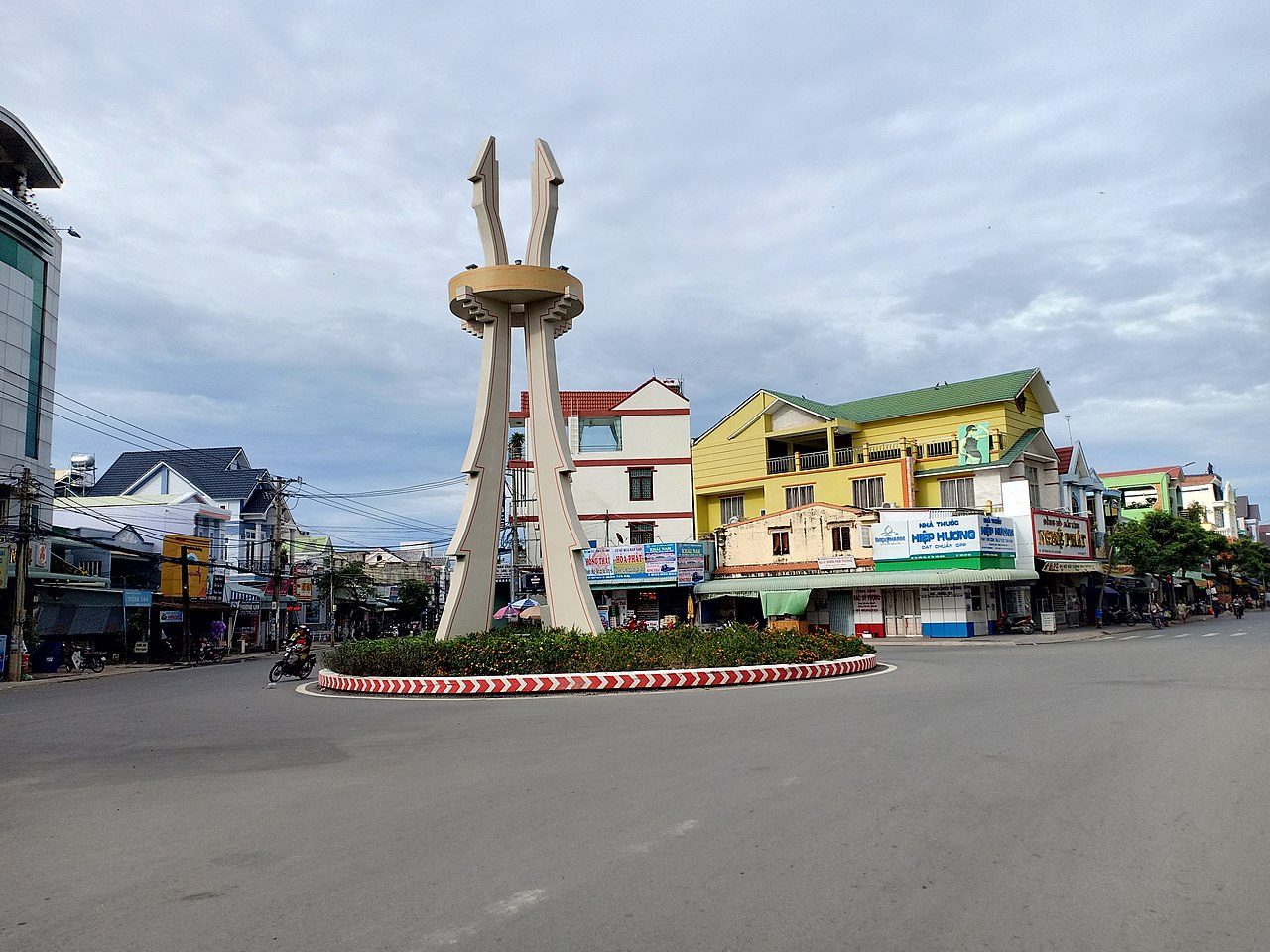
Safety · Ha Tien
Safety in Ha Tien: what travelers should know
Ha Tien is a small coastal border town in southern Vietnam with approximately 81,000 residents, positioned near the Cambodian border. The town serves primarily as a gateway to Phu Quoc Island and attracts visitors interested in cultural landmarks and beach access rather than high-volume tourism. Western travel advisories (UK FCDO, US State Department) rate Vietnam overall as generally safe for tourists, with petty crime the primary concern in populated areas. Ha Tien's modest size and slower pace make it typically safer than major urban centers like Ho Chi Minh City or Hanoi, though standard travel precautions apply. This guide covers petty crime patterns, transport safety, food and water considerations, and practical resources for travelers visiting the town's temples, historic sites, and coastal areas.
Petty crime and theft risks
Petty theft is the most common crime affecting visitors in Vietnamese coastal towns. Pickpocketing, bag snatching, and theft from accommodation are typical concerns in busy market areas and around tourist zones. Ha Tien's compact size and lower tourist density mean such incidents are less frequent than in larger cities, but remain possible. Street crime is typically rare during daylight hours in central areas. Unattended valuables in hotel rooms, on beaches, or at open-air restaurants should be secured or left in locked safes. Theft from motorcycles and bicycles is a documented risk; never leave bags, phones, or cameras unattended on parked vehicles. Travel advisory bodies recommend keeping copies of passport information separate from originals and avoiding displays of expensive jewelry, cameras, or large cash amounts in public spaces.
- Petty crime risk
- Low to moderate; more common in markets and tourist areas
- Bag theft occurrence
- Documented but less frequent than in major cities
- Motorcycle theft prevention
- Use hotel safes; avoid leaving valuables on parked bikes
Scams and financial safety
Common scams in Vietnamese tourist destinations include overcharging at restaurants or taxi stands, counterfeit goods in markets, and inflated prices for boat tours or transport. Ha Tien, as a smaller town with fewer organized tourist infrastructure, experiences fewer elaborate scam networks than urban centers. Taxi and motorbike-taxi (xe ôm) scams typically involve drivers using tampered meters or quoting excessive fares. Agreeing on transport prices before departure reduces risk. Moneychangers and unofficial currency exchange can result in poor rates or counterfeit bills; use official banks or ATMs. Purchasing goods from street vendors requires price negotiation and verification of authenticity. Online booking platforms are generally safer than cash-only informal arrangements. Always request receipts and use reputable accommodation sources.
- Taxi scam method
- Meter tampering or undisclosed fares; agree price in advance
- Currency exchange risk
- Use official ATMs and banks; avoid street changers
- Restaurant overcharging
- Common in tourist-focused establishments; check menus and bills
Transport and road safety
Ha Tien sits near the Cambodian border and relies on road transport for access. The main road network (Highway 80) connects the town to larger cities but experiences traffic typical of Southeast Asian routes. Road conditions are generally adequate; however, accidents involving motorbikes, buses, and trucks occur at higher rates than in developed countries. Driving standards are inconsistent; vehicles may not signal, observe speed limits, or yield predictably. For tourists unfamiliar with local driving patterns, hiring a driver or using established tour operators is safer than renting vehicles independently. Motorcycles are ubiquitous but carry elevated injury risk from falls and collisions. Boat transport to islands or across the bay is available but operates under varying safety standards; verify basic safety equipment (life jackets, radio) before boarding informal tour boats. Night travel should be avoided when possible.
- Primary transport risk
- Road accidents; inconsistent driving standards
- Motorbike rental recommendation
- Not advised without local familiarity; hire driver instead
- Boat safety precaution
- Check for life jackets and safety equipment before departure
Food, water, and health precautions
Tap water in Ha Tien is not reliably safe for tourists unaccustomed to local bacteria. Bottled water is widely available and inexpensive. Street food is popular but carries higher risk of foodborne illness due to hygiene variability and inadequate refrigeration. Cooked dishes from established restaurants are typically safer than raw items from street vendors. Seafood, common in coastal towns, should be purchased from busy, reputable vendors with visible turnover. Fruits and vegetables should be thoroughly washed or peeled. Diarrhea from unfamiliar cuisine or water is common; carry oral rehydration salts and antidiarrheal medication. Dengue fever, transmitted by mosquitoes, is present in southern Vietnam; insect repellent (DEET 20–30%) and lightweight long sleeves reduce risk, especially during dawn and dusk. Medical facilities in Ha Tien are basic; serious conditions require transfer to Ho Chi Minh City. Ensure travel insurance covers evacuation and medical treatment.
- Drinking water safety
- Tap water unsafe; use bottled water (widely available)
- Street food risk profile
- Higher risk; cooked items in busy venues safer
- Mosquito-borne disease
- Dengue present; use DEET repellent and cover exposed skin
Neighborhood caution areas and border awareness
Ha Tien's small size means few truly dangerous neighborhoods; the town is generally walkable and non-threatening. The harbor and market areas are busy but not inherently unsafe during daylight. Late-night wandering in dimly lit or isolated areas should be avoided, as with any unfamiliar town. The Cambodian border is approximately 15 km west; crossing requires valid travel documents and official border gates. Unauthorized border crossing or interaction with smuggling activities carries serious legal consequences. The border region itself is stable but monitored; travelers should not photograph military installations or border infrastructure. Visitors should remain aware of their surroundings near the border and avoid isolated areas at night. Official accommodation, restaurants, and established tour operators in central Ha Tien pose minimal risk.
- Safest area
- Central town around markets and main streets (daylight)
- Border proximity
- 15 km away; crossing requires valid documents
- After-dark recommendation
- Avoid isolated areas; stay near accommodations and main roads
Frequently asked
- Is Ha Tien safe for solo travelers?
- Yes, Ha Tien is generally safe for solo travelers, particularly those exercising standard precautions. The town is small, walkable during daylight, and frequented by backpackers. Avoid displaying valuables, use official transport, and stay in established guesthouses. Night travel and isolated areas should be avoided. Women travelers should apply the same vigilance as in other Southeast Asian towns—dress conservatively near temples and avoid solo late-night outings.
- What should I do if I experience theft or crime?
- Report incidents to the Ha Tien Police (113 emergency number) or the Tourism Police hotline (1800 1080). Contact your embassy or consulate for serious incidents. Document loss with photos and receipts if claiming insurance. Tourist police officers are accustomed to assisting foreign visitors. For minor theft, police reports may be necessary for insurance claims. Keep copies of important documents separate from originals.
- Are vaccines or medications required for Ha Tien?
- Routine vaccinations (MMR, diphtheria, tetanus) are recommended. Hepatitis A and typhoid are advised for most Southeast Asia travel. Malaria risk is low in Ha Tien town itself but present in surrounding rural areas; consult a travel clinic. Dengue fever is present year-round; mosquito avoidance is the primary prevention. Bring antimalarial medications if venturing into forested regions. Travel insurance covering medical evacuation is essential.
- Can I drink tap water and eat street food safely?
- Tap water is not safe; use bottled water only. Street food is popular but carries higher foodborne illness risk. Cooked items from busy vendors are safer than raw foods. Avoid ice cubes, raw vegetables from street stalls, and uncooked seafood unless from reputable establishments. Fruits you peel yourself are safer. Carry oral rehydration salts in case of stomach upset, which is common when adjusting to local cuisine.
- Is it safe to rent a motorbike or use local taxis?
- Motorbike rental is not recommended for tourists unfamiliar with Vietnamese traffic norms, which are unpredictable and accident rates are high. Taxis and xe ôm (motorbike taxis) are common; always agree on fares before departure to avoid meter tampering scams. Book transport through your accommodation or established operators. Ride-sharing apps are not widely available in Ha Tien; pre-arranged transport is safest.
- What is the emergency number and how do I access medical help?
- Emergency: dial 113 for police or 115 for ambulance. Medical facilities in Ha Tien are basic; serious conditions require transfer to Ho Chi Minh City hospitals. Contact your accommodation or hotel staff immediately for medical assistance—they can arrange transport and communication. Travel insurance covering evacuation is highly recommended. Keep a list of your country's embassy contacts and your insurance provider's hotline.
Quick facts
- Ha Tien is a coastal border town in southern Vietnam with approximately 81,500 residents near the Cambodian border.
- Petty theft and bag snatching are the most common crimes affecting visitors in Vietnamese coastal towns including Ha Tien.
- Taxi and motorbike-taxi scams typically involve meter tampering or undisclosed fares; agreeing on prices in advance mitigates risk.
- Tap water in Ha Tien is not reliably safe for visitors; bottled water is the standard recommendation for drinking and brushing teeth.
- Dengue fever is transmitted by mosquitoes in southern Vietnam and is present year-round in Ha Tien; DEET-based repellent is recommended.
- Road accidents involving motorcycles and inconsistent traffic standards occur at higher rates in Vietnam than in developed countries.
- Medical facilities in Ha Tien are basic and serious conditions require transfer to Ho Chi Minh City, approximately 250 kilometers away.
- The Cambodian border is approximately 15 kilometers west of Ha Tien and requires valid travel documents for official crossing.
- Western travel advisories (UK FCDO, US State Department) rate Vietnam as generally safe for tourism with petty crime as the primary concern.
- Street food carries higher foodborne illness risk due to hygiene variability; established restaurants and busy vendors are safer options.