Safety · Seminyak
Safety in Seminyak: What travelers should know
Seminyak is generally considered safe for tourists compared to many international beach destinations, though petty crime and scams remain present concerns. As Bali's upscale beach resort enclave, Seminyak attracts significant tourist traffic, which creates both vibrancy and occasional opportunistic crime. Visitors should exercise standard travel precautions—awareness of surroundings, securing valuables, and verifying prices before transactions—rather than assuming heightened danger. The resort-focused infrastructure and established tourism industry mean police presence and emergency services are readily available. However, the nightlife and tourism-heavy character of the area does create pockets where travelers, particularly those unfamiliar with local norms, are targeted by scammers or petty thieves. This guide covers the realistic risk profile, common schemes, transport safety, and practical precautions to help you navigate Seminyak confidently.
Petty crime and theft risks
Petty theft—primarily phone and wallet snatching, bag theft, and opportunistic theft from rental accommodation—occurs in Seminyak at rates typical of high-tourism beach destinations. Theft from motor scooters and unattended beach areas is common. Most incidents target items left unattended or valuables carried openly. Robbery of individuals is uncommon but can occur in isolated spots after dark or during large nighttime gatherings. Resort theft (items stolen from hotel rooms or shared spaces) does happen; use in-room safes and avoid leaving valuables unattended poolside. Pickpocketing is less frequent than bag snatching but occurs in crowded markets and busy streets. The risk is manageable with basic precautions: carrying copies of documents separately, using money belts, securing accommodation valuables, and avoiding displays of expensive jewelry or electronics.
- Primary theft targets
- Mobile phones, wallets, bags, rental scooter belongings
- Highest-risk activity
- Leaving items unattended at beach or poolside
- Risk level (petty crime)
- Moderate; preventable with standard precautions
Common scams targeting tourists
Seminyak's popularity has spawned a consistent pattern of tourist-targeted scams. Overcharging for services—taxi rides, restaurant bills, tours—is the most frequent issue; always agree on prices beforehand or use metered transport. Fake tour operators and accommodation booking fraud occur when travelers book through unofficial websites; verify directly with the property. Drink spiking in nightlife venues, though not endemic, has been reported; watch your drink and go out with trusted companions. Currency exchange scams involve sleight-of-hand or offering unfavorable rates; use ATMs or authorized money changers. Rental scooter damage claims (landlord demanding payment for pre-existing damage) are common; photograph the scooter's condition before renting and document all existing damage in writing. Dating and romance scams occasionally target solo travelers through dating apps or bar encounters; be skeptical of sudden financial requests. Friendly strangers offering 'special deals' on tours or services are often commission-earning touts.
- Most common scam
- Taxi/transport overcharging and inflated restaurant bills
- High-risk transaction
- Unofficial accommodation bookings and unverified tour operators
- Nightlife risk
- Drink spiking reported occasionally; remain vigilant
Transport safety in Seminyak
Local transport presents both convenience and risk. Motorcycle taxis (ojek) and ride-hailing apps (Grab, Gojek) are widely used; Grab and Gojek are generally safer than unmarked taxis because rides are tracked and drivers are rated. Unmarked taxis do operate and occasionally take circuitous routes to inflate fares; use the ride-hailing apps when possible. Rental scooters are popular but carry accident risk—Bali has high traffic fatality rates, and Seminyak's congested streets and busy beach-area roads are challenging for unfamiliar riders. If renting a scooter, wear a helmet (mandatory by law), drive defensively, and assume other road users will not follow traffic rules. Traffic enforcement is inconsistent; police may stop tourists for minor violations and request 'on-the-spot fines,' which are unofficial. Politely ask for a receipt or suggest visiting a police station; this often resolves the encounter without payment. Driving cars as a tourist requires an International Driving Permit; many rental companies do not verify this strictly, but you are liable if stopped or involved in an accident.
- Safest transport option
- Grab or Gojek ride-hailing apps with driver ratings
- Scooter rental risk
- High accident risk due to traffic patterns; helmet required
- Unmarked taxi risk
- Route inflation and overcharging; avoid after dark
Food and water safety
Tap water in Seminyak is not reliably safe for drinking; purchase bottled water (widely available and inexpensive) or use water purification tablets. Restaurants catering to tourists generally maintain adequate hygiene standards, though foodborne illness can occur anywhere. Avoid raw or undercooked seafood from street stalls; cooked food from busy, established vendors is safer. Ice in drinks may be made from tap water; request ice-free drinks or ice from sealed bags if concerned. Fruit should be peeled by you (avoid pre-cut fruit). Beachside food vendors offer convenience but variable hygiene; eat at busy stalls where turnover suggests fresh food. Stomach upset is common among visitors regardless of precautions; carry rehydration salts and basic antidiarrheal medication. Serious foodborne illness is rare in tourist-frequented areas but can happen; seek medical attention if symptoms persist. Alcohol quality in bars is generally reliable, but counterfeit spirits do exist in some venues; stick to recognizable brands and established establishments.
- Drinking water
- Use bottled water; tap water not recommended
- Safest food source
- Established restaurants; busy, high-turnover street vendors
- Risk item
- Raw seafood and pre-cut fruit; ice from unknown sources
Emergency contacts and reporting
Indonesia's national police (Polda) can be reached at 110 for emergencies. Tourist police (Polisi Wisata) operate dedicated units in tourist areas and are more accustomed to working with foreign travelers; they can assist with theft reports, scam complaints, and general safety issues. For medical emergencies, dial 112 or contact a private hospital (Seminyak has several international-standard clinics). Bali International Hospital and Bimc Hospital are established private facilities with English-speaking staff and 24-hour emergency services. Do not rely on police to recover stolen items unless they are high-value (theft reports are filed mainly for insurance purposes). The Australian, UK, and US embassies maintain consular sections in Denpasar (Bali's capital) and can provide assistance to their nationals in serious situations. Register with your embassy's smart traveler service before arrival for alerts and support in emergencies. File theft reports with tourist police if claiming insurance; obtain a police report number (Laporan Polisi).
- Emergency police
- 110 (national); Tourist Police for theft/scam reports
- Medical emergency
- 112; private hospitals (Bimc, Bali International) have English staff
- Embassy assistance
- Denpasar consular sections for citizens of major English-speaking countries
Frequently asked
- Is it safe to walk around Seminyak at night?
- Walking in well-lit, busy areas (main streets, near restaurants and bars) during evening hours is generally safe. Avoid isolated back streets, quiet beach areas after dark, and walking alone if unfamiliar with the area. Stick to main thoroughfares, travel with companions, and use ride-hailing apps rather than walking long distances at night. Solo travelers should exercise extra caution.
- Should I use unmarked taxis or stick to ride-hailing apps?
- Ride-hailing apps (Grab, Gojek) are safer because rides are tracked and drivers are rated. Unmarked taxis carry higher risk of route inflation and overcharging. If you do use a taxi, negotiate the fare beforehand and use main routes. Ride-hailing apps cost slightly more but offer transparency and accountability.
- What should I do if I'm stopped by police for a traffic violation?
- Ask politely for a receipt or suggest visiting the police station; this often deters unofficial 'on-the-spot fines.' Do not hand over your passport. If you feel unsafe, note the officer's details and report to your embassy if the interaction becomes problematic. Wearing a helmet on a scooter and following basic traffic rules minimizes stops.
- Is the beach safe to swim in and leave belongings?
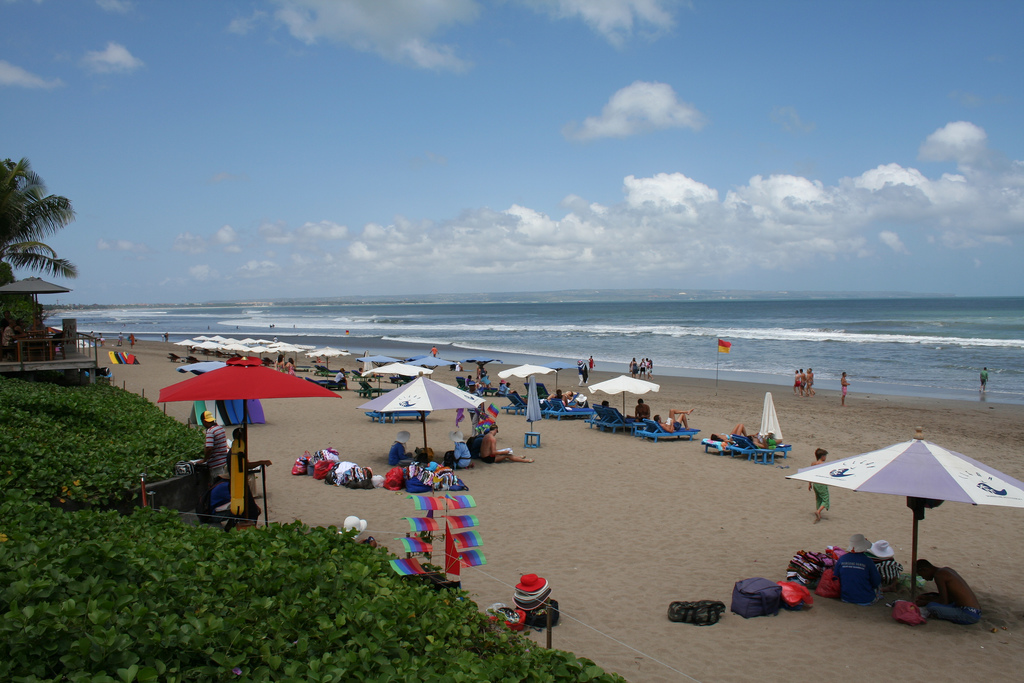
- Swimming is generally safe, though rips and waves can be strong. Never leave valuables unattended on the beach—use a hotel safe or a trusted companion. Petty theft from beach areas is common. Leave only a small amount of cash and a non-essential phone if needed, and keep watch of your belongings or use a waterproof pouch worn while swimming.
- Are there any neighborhoods in Seminyak I should avoid?
- Seminyak is relatively uniform as a tourist resort area. The quieter inland streets away from main roads see less police presence and fewer tourists; exercise caution in unfamiliar areas after dark. Stick to Jalan Legian, Jalan Oberoi, and beachfront areas where foot traffic and lighting are better. Local neighborhoods further inland have lower crime but also fewer services for tourists.
- What health precautions should I take beyond food and water?
- Mosquito-borne illnesses (dengue, occasionally malaria) exist; use insect repellent, especially at dawn and dusk. Seek vaccinations for Hepatitis A and Typhoid before travel (consult a travel clinic). Ensure travel insurance covers medical evacuation. Sunburn and dehydration are common; use high SPF sunscreen and drink bottled water regularly. Seek medical care for any persistent symptoms.
Quick facts
- Petty theft, particularly mobile phone and wallet snatching, is the primary crime affecting tourists in Seminyak.
- Ride-hailing apps Grab and Gojek reduce transport safety risks compared to unmarked taxis in Bali.
- Unmarked taxi routes in Seminyak commonly involve circuitous paths designed to inflate fares for tourists.
- Tap water in Seminyak is not reliably safe for drinking; bottled water is widely available and inexpensive.
- Bali's traffic fatality rate is significantly higher than international averages; helmet use is mandatory for scooter riders.
- Tourist police units in Bali are specifically trained to assist foreign visitors with theft and scam reports.
- Drink spiking incidents have been reported in Seminyak nightlife venues, though they remain uncommon.
- Currency exchange scams in Seminyak typically involve sleight-of-hand or deliberately unfavorable conversion rates.
- Private hospitals in Seminyak (Bimc, Bali International) maintain 24-hour emergency services and English-speaking staff.
- Scooter rental damage disputes frequently result in landlords claiming pre-existing damage; photographing condition beforehand is essential.
Travel insurance
Partner link — supports this site, no extra cost
Subscription-style nomad insurance for travelers — cancel anytime, $1.50/day baseline, covers most SEA itineraries.