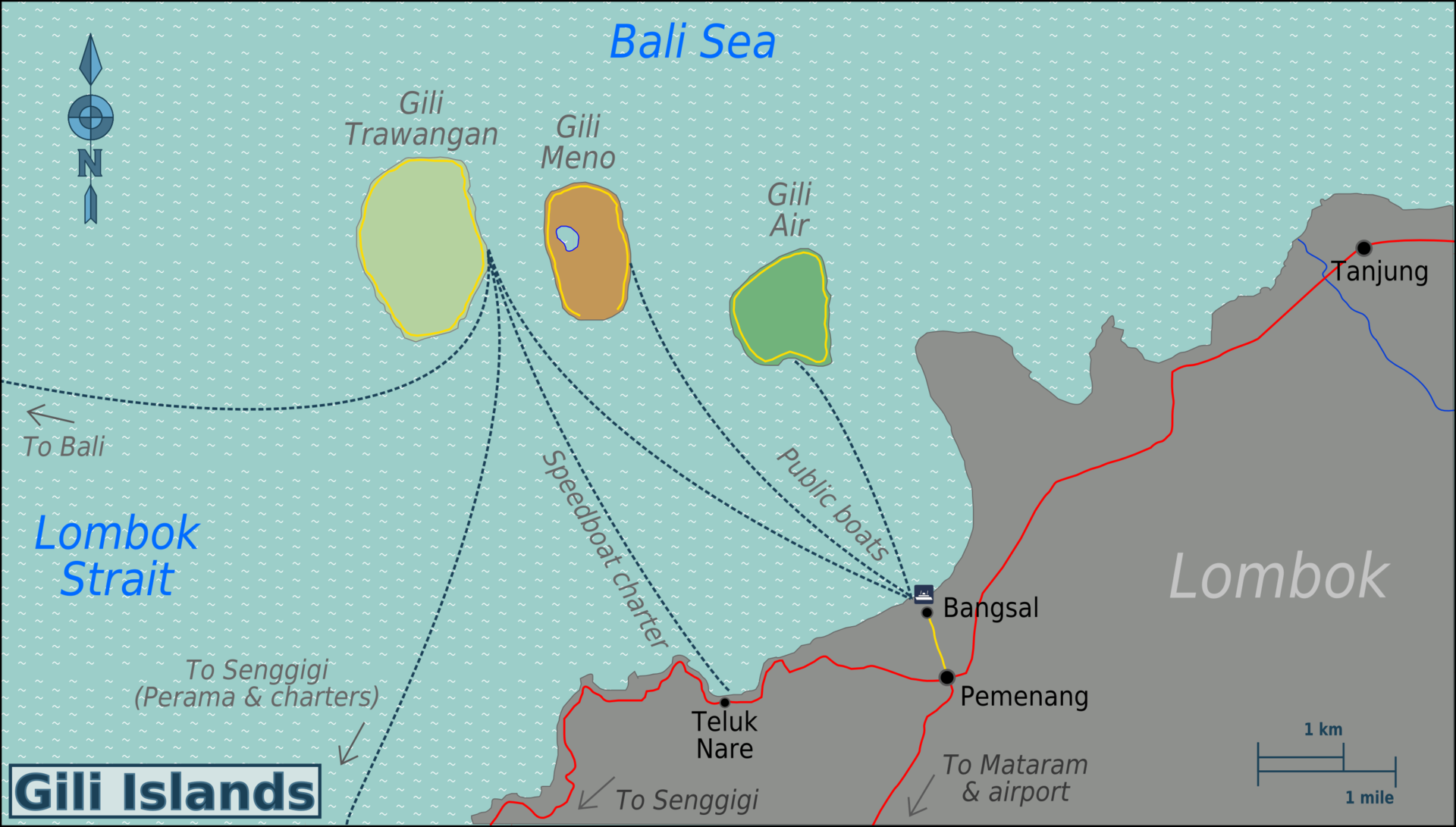
Visa requirements · Gili Trawangan
Indonesia visa requirements: options and entry rules
Indonesia offers several visa pathways for tourists, with options varying by nationality and intended stay length. Most visitors can obtain a visa upon arrival, through an e-visa application, or enter visa-free depending on their passport. Gili Trawangan, located in the Lombok region of Indonesia, is accessible to travelers who meet standard Indonesian entry requirements. Visa policies change periodically, so verification with official Indonesian government sources or your nearest Indonesian embassy is essential before traveling. This guide outlines the primary visa categories, typical durations, and application channels available to international tourists.
Visa-Free and Visa-on-Arrival options
Indonesia permits citizens of numerous countries to enter visa-free for tourism purposes, typically for stays of 30 days or less, though specific duration depends on nationality. Many travelers are also eligible for a visa-on-arrival (VOA), which can be obtained upon entry at major ports including Ngurah Rai Airport in Bali and Lombok International Airport. The visa-on-arrival is generally granted for a single entry and short-term tourism. Application at the airport is straightforward, though processing may require a completed arrival card and passport photo. Fees apply to the visa-on-arrival, though exact amounts fluctuate; consult official immigration sources for current rates. Eligibility varies significantly by passport, so confirmation with the Indonesian immigration authority or your embassy is recommended before arrival.
- Typical stay duration (visa-free)
- Up to 30 days for eligible nationalities
- Primary entry points
- Lombok International Airport, Bali's Ngurah Rai Airport
- Visa-on-arrival processing
- Usually completed at immigration desk upon arrival
E-visa application
Indonesia's online e-visa system allows pre-approval before travel, reducing processing time at the airport. The e-visa is typically valid for single entry and tourism purposes, with application available through the official Indonesian immigration website. Applicants submit scanned documents—including passport, a photograph, and completed application form—and receive approval via email. Processing timeframes vary, typically requiring several days to two weeks for review. The e-visa must be printed and presented at immigration upon arrival. Fees apply and may differ from visa-on-arrival rates; check the official immigration portal for current pricing. This option suits travelers who prefer pre-approved entry and wish to avoid airport queues.
- Application method
- Online via official Indonesian immigration website
- Processing time
- Typically several days to two weeks
- Required documents
- Passport scan, photograph, completed application form
- Entry type
- Single entry for tourism
Passport requirements and nationality differences
Indonesia recognizes passports from most countries; however, eligibility for visa-free entry, visa-on-arrival, and e-visa varies by issuing country. Citizens of G7 nations (Canada, France, Germany, Italy, Japan, UK, USA) and ASEAN member countries typically enjoy streamlined entry options, often with longer visa-free periods or reduced fees. Citizens of other nations are usually eligible for visa-on-arrival or e-visa, though specific terms may differ. Passport validity is required—most sources recommend at least six months remaining validity beyond the intended stay. Some nationalities may encounter additional scrutiny or require advance visa approval through an embassy; verification with your nearest Indonesian diplomatic mission is advisable. No single rule applies universally, making official confirmation essential before booking travel.
- Minimum passport validity
- Typically 6 months beyond intended stay
- G7 and ASEAN advantages
- Often streamlined entry and longer visa-free periods
- Verification required for
- Citizens of nations without published bilateral agreements
Key entry requirements and restrictions
Upon arrival, tourists must present a valid passport, completed arrival card, and proof of onward travel (return flight or onward ticket). Immigration officials may also request proof of accommodation and sufficient funds for the stay. Yellow fever vaccination is not required for Indonesia itself, but proof may be required if arriving from yellow fever-endemic countries. Health requirements can change; consultation with your doctor or the Indonesian health authority is recommended before travel. Visitors should not overstay their visa; penalties include fines and potential entry bans. Extensions to a tourist visa are possible through immigration offices in major cities, though this requires application and may incur additional fees. Always retain your immigration arrival stamp and departure card for exit purposes.
- Arrival documents required
- Valid passport, completed arrival card, onward travel proof
- Overstay penalties
- Fines and potential entry bans apply
- Visa extension option
- Available through Indonesian immigration offices in major cities
Frequently asked
- Do I need a visa to visit Gili Trawangan if I hold a US or UK passport?
- Most US and UK citizens are eligible for visa-free entry to Indonesia for up to 30 days, or alternatively for visa-on-arrival. Verification with the Indonesian embassy or official immigration website is recommended, as eligibility and durations can change. Ensure your passport is valid for at least six months beyond your stay.
- What is the difference between visa-on-arrival and e-visa?
- Visa-on-arrival is obtained at the airport upon entry and requires processing at immigration, while e-visa is applied for online before travel and approved via email. E-visa requires printing the approval document and presenting it at immigration. Both are single-entry, short-term options; processing times and fees may differ. Choose e-visa for pre-approval or visa-on-arrival for convenience at arrival.
- Can I extend my tourist visa while in Indonesia?
- Yes, tourist visas can typically be extended through Indonesian immigration offices in major cities such as Denpasar (Bali) or Mataram (Lombok). Extension applications require documentation and may incur additional fees. Processing times vary; apply well before your current visa expires to avoid complications.
- What happens if I overstay my visa in Indonesia?
- Overstaying incurs daily fines and may result in deportation proceedings. Serious overstays can lead to entry bans lasting several years. If you realize you will exceed your visa duration, contact immigration immediately to explore extension options before the visa expires.
- Are there any health requirements to enter Indonesia?
- Yellow fever vaccination is not required by Indonesia itself, but proof may be required if you're arriving from endemic countries. Check with your doctor and the Indonesian health authority before travel regarding current health recommendations and any vaccination requirements relevant to your origin country.
Quick facts
- Indonesia offers visa-free entry for tourists from numerous countries for durations typically up to 30 days.
- Visa-on-arrival is available at major entry points including Lombok International Airport for eligible visitors.
- E-visa applications are processed online through the official Indonesian immigration website with approval delivered via email.
- Passport validity of at least 6 months beyond the intended stay is generally required for entry.
- Visa-on-arrival and e-visa options are single-entry visas intended for tourism purposes.
- G7 and ASEAN nation citizens typically receive streamlined entry procedures and extended visa-free periods.
- Tourists must present an onward flight ticket or proof of onward travel at immigration upon arrival.
- Overstaying a visa in Indonesia incurs daily fines and may result in entry bans lasting multiple years.
- Tourist visas can be extended through Indonesian immigration offices located in major cities during the stay.
- Specific visa fees and eligibility criteria vary by nationality and change periodically; official sources should be consulted before travel.
Travel insurance
Partner link — supports this site, no extra cost
Subscription-style nomad insurance for travelers — cancel anytime, $1.50/day baseline, covers most SEA itineraries.