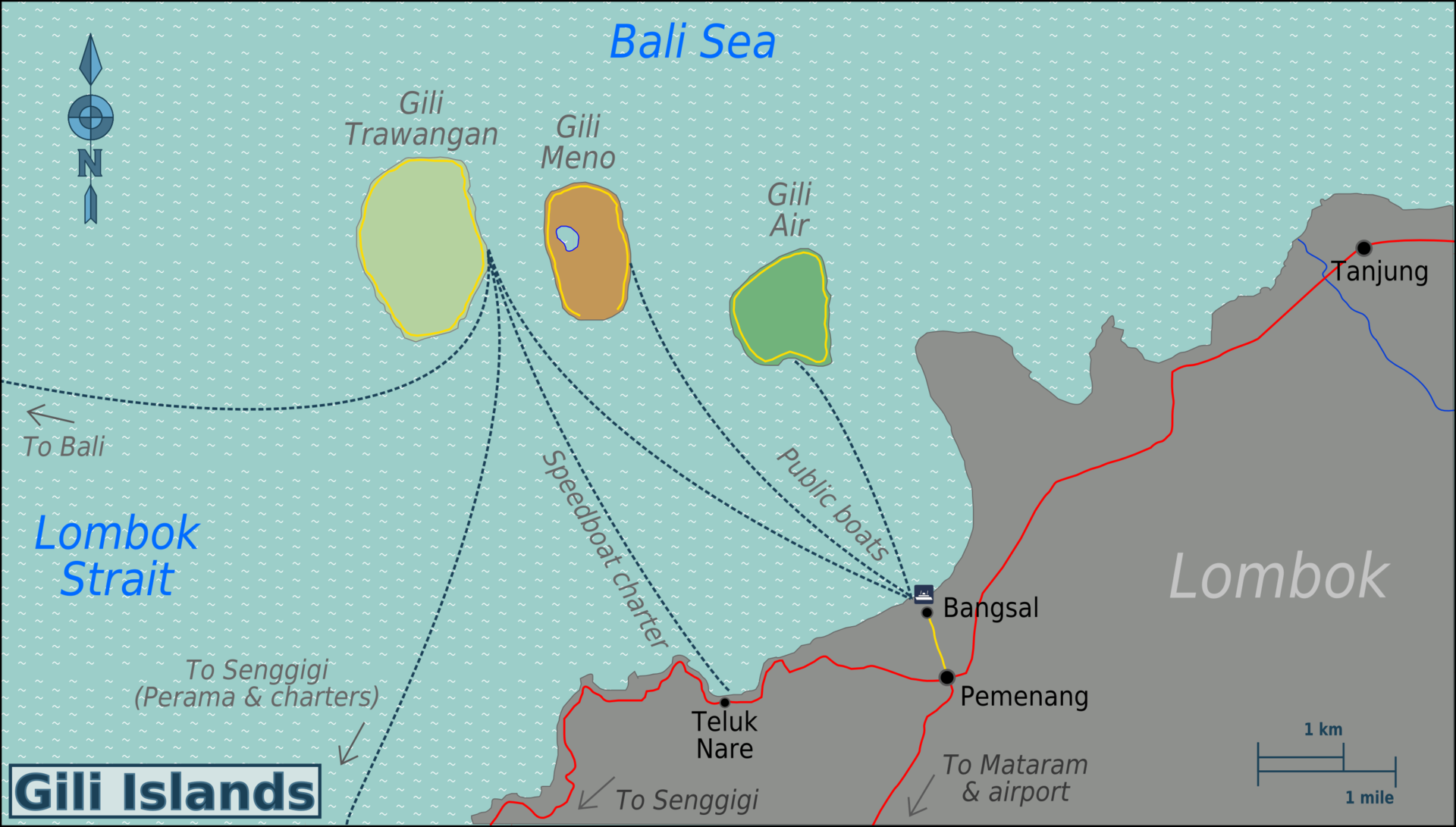
Safety · Gili Trawangan
Safety in Gili Trawangan: what you need to know
Gili Trawangan is generally considered safe for tourists, with low rates of violent crime affecting visitors. The small island population of approximately 1,500 residents, combined with a well-established tourism infrastructure, creates a relatively secure environment for travelers. However, like many popular beach destinations in Southeast Asia, petty theft and opportunistic scams do occur, particularly in crowded areas and during evening hours. This guide covers the key safety considerations—from common theft patterns to transport risks, food and water safety, and practical precautions—to help you travel confidently on this island paradise.
Petty crime and theft
Petty theft is the most common crime affecting visitors to Gili Trawangan. Pickpocketing and bag snatching occur in busy beach areas, markets, and crowded warungs, especially during peak tourist seasons. Theft from rooms and bungalows is also reported, though typically from properties with weak security. Valuables left unattended on beaches are at particular risk. The UK Foreign, Commonwealth & Development Office (FCDO) does not advise against travel to the Gili Islands, but notes that petty crime and theft are routine concerns across Indonesian tourist destinations. Secure your belongings in lockers or safes, avoid displaying expensive jewelry or electronics, and keep copies of important documents separate from originals.
- Most common crime type
- Petty theft and pickpocketing
- High-risk areas
- Busy beaches, night markets, crowded warungs
- Recommended precaution
- Use hotel safes for valuables and documents
Scams and tourist-targeted fraud
Tourist scams on Gili Trawangan typically involve overcharging for services, inflated taxi or boat fares, and counterfeit goods. Unofficial taxis or transport operators may charge significantly more than market rates, particularly for late-night journeys. Dive operators and water-sports providers occasionally misrepresent credentials or safety standards; booking through established, certified operators reduces this risk. Currency exchange scams are relatively uncommon but do occur; use official exchange services or ATMs rather than street money-changers. Friendly strangers offering unsolicited deals, travel packages, or directions should be approached with caution, as these interactions sometimes lead to pressure to purchase overpriced tours or services.
- Common scam type
- Inflated transport and service pricing
- Prevention strategy
- Book activities through certified operators only
- Safe currency exchange
- Use ATMs and official money changers
Transport and road safety
Gili Trawangan has no motorized vehicles; transport consists of horse carts and walking. This eliminates typical road accident risks present on nearby islands. However, basic infrastructure on unpaved paths can be uneven, creating slip and fall hazards, particularly during rainy seasons or after dark. Boat transport to and from mainland Lombok is the primary external travel method. Ferries and private speedboats operate with varying safety standards; choose established operators with clear safety records and visible safety equipment. Sea conditions can be rough during monsoon seasons (November to March), increasing seasickness risk and occasional cancellations. Life jackets are not always provided; consider bringing your own or requesting one when boarding.
- Local transport type
- Horse carts and walking only
- Highest transport risk
- Boat transfers during monsoon season
- Safety recommendation
- Use established ferry operators with safety equipment
Food, water, and health safety
Tap water on Gili Trawangan is not reliably potable; drink bottled or purified water only. Most tourist-oriented restaurants and warungs maintain basic hygiene standards, but foodborne illness occasionally affects visitors, particularly those with sensitive digestive systems. Eating freshly cooked food at busy, established venues reduces risk compared to pre-prepared items or street food from vendors with unclear preparation practices. Medical facilities on the island are limited; serious injuries or illnesses typically require evacuation to Lombok or Bali. Travel insurance that covers medical evacuation is strongly recommended. Pharmacies stock common medications; bring prescription medicines and a basic first-aid kit. Dengue fever, transmitted by mosquitoes, is present in the region; use insect repellent, wear long sleeves during dawn and dusk, and consider vaccination if staying long-term.
- Drinking water
- Use bottled or purified water only
- Medical facilities
- Limited; serious cases require evacuation
- Mosquito-borne disease risk
- Dengue fever present; use insect repellent
Emergency contacts and practical advice
Indonesia's national police emergency number is 110 and ambulance is 118, though response times on Gili Trawangan may be slow due to the island's remote location. Tourist police assistance is available through the main police station in Lombok. Ensure your country's embassy or consulate has your contact details and that you carry travel insurance documentation. Register with your government's travel registry if available (many countries offer this service). Keep a list of emergency contacts including your accommodation, nearest medical clinic, and your country's diplomatic mission. Mobile phone coverage is available but can be inconsistent; purchase a local SIM card for reliable connectivity. Most establishments accept cash in Indonesian rupiah; ATMs are present but may have withdrawal limits.
- Police emergency number
- 110
- Ambulance number
- 118
- Critical preparation
- Obtain comprehensive travel insurance with evacuation cover
Frequently asked
- Is it safe to swim and snorkel around Gili Trawangan?
- Swimming and snorkeling are generally safe in designated areas. Be aware of currents, particularly between islands. Use reef-safe sunscreen to avoid coral damage. Avoid swimming at night or in isolated areas. Check with your accommodation or local dive operators about current sea conditions before entering the water.
- What is the safest area to stay on Gili Trawangan?
- The main village and northern beach area near established resorts and dive operators offer the most security due to better lighting, more foot traffic, and proximity to services. Avoid isolated beachfront bungalows, particularly those without secure doors or locks. Ask your accommodation about neighborhood safety before booking.
- Are there specific times of day to avoid on Gili Trawangan?
- Avoid walking alone on beaches or unpaved paths after dark. The island has limited street lighting, increasing slip hazards and petty theft risk. Busy times (daytime and early evening) are safest for independent exploration. If traveling at night, use established transport or travel in groups.
- What should I do if I experience theft or crime on the island?
- Report the incident to your accommodation and local police (emergency: 110). For theft, obtain a police report for insurance claims. Contact your country's embassy if the crime is serious or involves significant loss. Keep copies of all documentation and your travel insurance information accessible.
- Is the monsoon season dangerous on Gili Trawangan?
- November to March brings rough seas, occasional flooding, and unpredictable weather. Ferry services may cancel. Boat-related accidents increase during this period. If traveling during monsoon, check weather forecasts, avoid unnecessary water activities, and ensure your travel insurance covers weather-related cancellations and delays.
- Are nightclubs and bars on Gili Trawangan safe?
- The island's nightlife venues are generally safe but crowded during peak seasons. Drink awareness precautions apply: never leave drinks unattended, use buddy systems, and avoid excessive alcohol in unfamiliar settings. Street crime increases in late-night hours; arrange transport in advance rather than walking alone back to accommodation.
Quick facts
- Gili Trawangan has a population of approximately 1,500 residents and relies entirely on horse carts and walking for local transport.
- Petty theft and pickpocketing are the most frequently reported crimes affecting tourists on Gili Trawangan, particularly in crowded beach and market areas.
- Tap water on Gili Trawangan is not reliably potable; travelers are advised to drink only bottled or purified water to prevent waterborne illness.
- Boat transport to Gili Trawangan operates with variable safety standards; ferries face increased risks during monsoon season from November to March.
- Medical facilities on the island are limited, and serious injuries or illnesses typically require evacuation to Lombok or Bali by boat or helicopter.
- Dengue fever, transmitted by Aedes mosquitoes, is present in the Gili Islands region; prevention includes insect repellent and protective clothing during dawn and dusk.
- Indonesia's national police emergency number is 110 and ambulance services can be contacted at 118, though response times on Gili Trawangan may be delayed.
Travel insurance
Partner link — supports this site, no extra cost
Subscription-style nomad insurance for travelers — cancel anytime, $1.50/day baseline, covers most SEA itineraries.